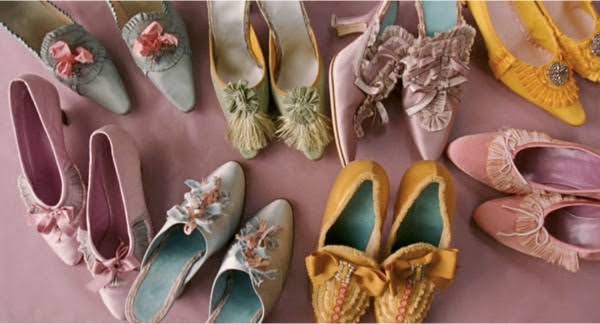
There is a moment, standing in front of the shop mirror, when a new pair of shoes seems to offer more than something to wear. We imagine where we might go in them, how we might look, outfit building in our head.
The boots suggest confidence. The heels promise glamorous evenings. The trainers belong to a version of ourselves who gets up early and enjoys a brisk walk or pairs them with a suit.
Can that feeling count as happiness? Psychology suggests that shopping can lift our mood. We all know the feeling, chasing something desired. To then covet it for weeks before wearing, or is that just me ?
The more revealing question is what, exactly, we are expecting the purchase to change in us.
Why shopping feels good
“Retail therapy” is often dismissed as an excuse for spending, but there is some evidence behind the expression.
In experiments published in the Journal of Consumer Psychology, researchers found that making shopping decisions helped reduce lingering sadness by restoring a sense of personal control. When something has left us feeling powerless, choosing something for ourselves can offer a small, manageable decision. In the words of Jarvis Cocker in the Pulp song ‘A Sunset’……”Unhappy people they spend more”.
That is a finding about an immediate emotional benefit, however—not proof that shopping produces lasting happiness. A purchase can brighten an afternoon without resolving whatever made it difficult.
Still, the pleasure deserves to be taken seriously. Enjoying the colour, shape or comfort of a shoe does not have to be profound to be worthwhile.
Another pair, another possible self
Sometimes the most revealing purchase is almost identical to one we already own.
Another black ankle boot. Another elegant heel. Another trainer chosen with good intentions. The differences may be small, but the hope feels fresh. Perhaps this pair will make us more confident, more adventurous, more put together.
One way to interpret this repetition is that we are shopping for an imagined version of ourselves. The previous pair did not quite close the gap between who we are and who we want to be, but a new purchase lets us picture that transformation again. Choosing and buying can feel like progress before we have done anything differently.
Of course, returning to a familiar style can simply mean knowing what suits us. There is nothing inherently revealing about owning two similar pairs of boots. The interesting question concerns our expectations: are we buying something we will enjoy wearing, or hoping it will change how we feel about ourselves?
A shoe can help us dress for an occasion. Whether we accept the invitation is another matter.
Saving up or splurging?
Does a pair feel more special when we have saved for it, or when we buy it on a glorious impulse?
Saving gives the purchase a period of anticipation. We imagine outfits, picture occasions and look forward to the moment it becomes ours. A review of research on spending and happiness identifies anticipation as one source of pleasure: enjoyment can begin before we receive what we have bought. That does not establish that saving itself always makes a purchase more satisfying.
An impulsive splurge offers a different delight—the spontaneity of deciding, “Yes, I can have these.” Nor must it end in regret. Research on shopping to improve mood found positive emotional effects from purchases made as treats, although it does not demonstrate that impulsive buying is better than planned spending.
There is no simple winner. We might save for months and discover that the imagined life was more exciting than the boots. Or buy them spontaneously and wear them happily for years.
Wanting intensely and enjoying deeply are different things. What happens after the excitement settles may tell us more than the thrill at the till.
The happiness of wearing them
Perhaps the most useful shift is from thinking about owning the shoes to thinking about using them.
Two large studies found that people reported greater momentary happiness while enjoying experiential purchases (travel, dining out)than material ones. These are average findings, rather than a rule that objects cannot bring joy.
Shoes offer an interesting bridge between the two. Walking boots are possessions, but they can accompany days outdoors with friends. Dancing shoes can become part of evenings with friends. A comfortable pair might make an ordinary day more enjoyable.
That is an application of the research, not a finding specifically about footwear. It nevertheless offers a useful question: what will this purchase help me do?
We could also ask whether we would still want the shoes if they changed nothing about us. If the answer is yes—because they fit beautifully, work with our clothes and make us smile—that may be reason enough. Hence why I have just bitten the bullet and bought the Maison Margiela tabi boots hoping that it will bring a much cooler edge to my outfits :).
Five key AW26 footwear trends
If a new pair is on your wish list, autumn/winter 2026 offers plenty of temptation. Think of these as inspiration—and perhaps an invitation to rediscover something already in your wardrobe.
1. Slouchy boots
Soft, gathered shafts bring a relaxed feel, with Chloé and Isabel Marant offering runway examples. Try them with a simple skirt or knitted dress.
2. Close-fitting boots
Supple leather and sock-like shapes hug the leg at Celine and Miu Miu. A roomy coat provides an easy styling balance.
3. Kitten heels
Celine, Prada and Proenza Schouler give small heels playful updates. Pair them with everyday denim.
4. T-strap shoes
Vintage-inspired straps return on heels and flats. Add socks when temperatures fall.
5. Decorative slippers
Pattern and embroidery enliven slip-ons at Ralph Lauren and Conner Ives. Vogue
Perhaps a new pair of shoes can bring happiness and they don’t need to be designer. Both Zara and M&S have their fair share of great dupes. They needn’t deliver a whole new you to earn their place in your wardrobe. Sometimes, loving how they look—and enjoying where you go in them—is enough.


Leave a Reply