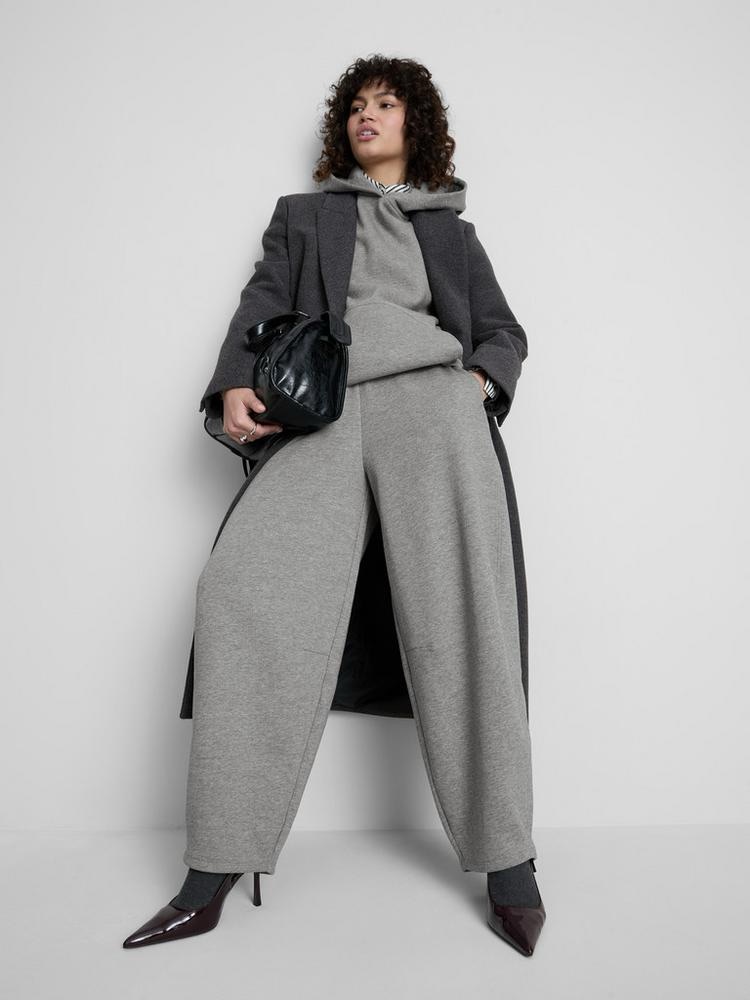
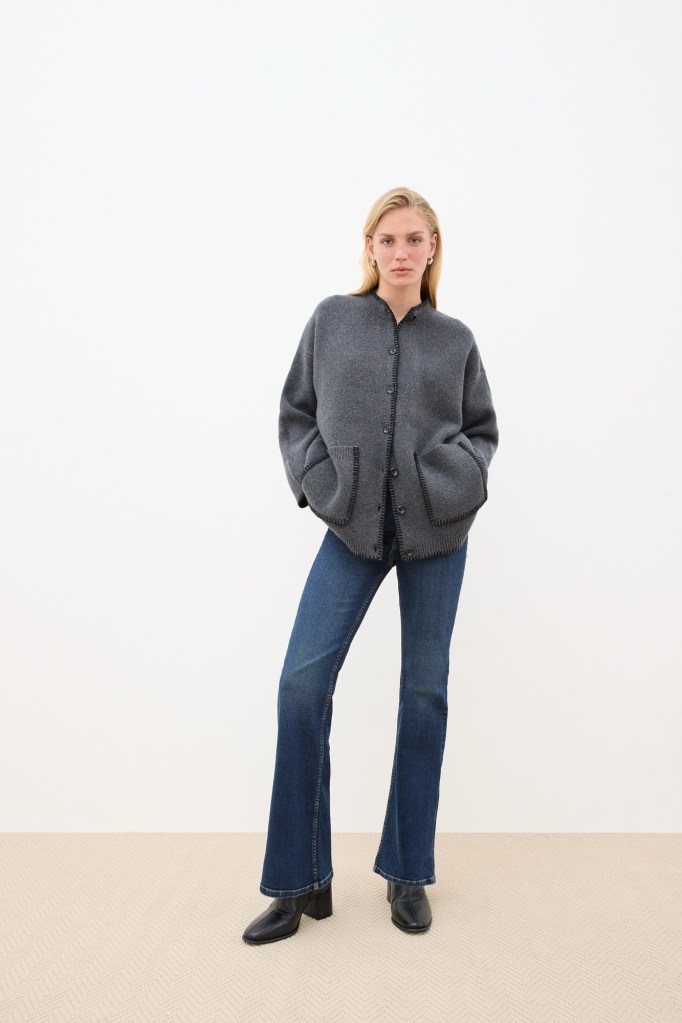

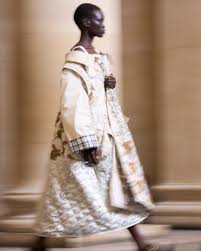
God I love jackets and even in this unseasonably warm weather, I still yearn and buy coats and jackets. The best outerwear makes getting dressed much easier. For autumn/winter there are lots to choose from and with M&S stepping up their game it’s exciting times. It is easy to be seduced by all the gorgeous shapes, embellishments and fabrics on the catwalks but let’s’ be honest how many of us can afford ?
For the top 5 key shapes, I have listed the high street alternatives and while some may be still a bit pricey, they are investments in your wardrobe.
1. The sculptural funnel-neck coat
A high collar gives a winter coat real presence, while a belt creates definition over layers. The funnel-neck direction appears in Max Mara’s AW26 collection.
The high-street interpretation: COS Belted Wool-Blend Funnel-Neck Coat — £269.
COS brings together a dramatic neckline, a long silhouette and a matching belt. The fabric contains 77% wool,
Wear it with cream knitwear, tailored trousers and ankle boots, or leave it open over jeans for every day.
2. The pared-back leather jacket
A simple leather jacket is one of the most versatile additions to an autumn wardrobe. For the high-end reference, look at TOTEME’s Grained Leather Jacket: understated leather outerwear that lets the material and shape provide the interest.
The premium high-street interpretation: ARKET Leather Jacket in Black — £419.
ARKET’s version offers a real-leather option at a lower price than the designer reference. It is still an investment purchase, so choose it for the outfits you’ll wear repeatedly.
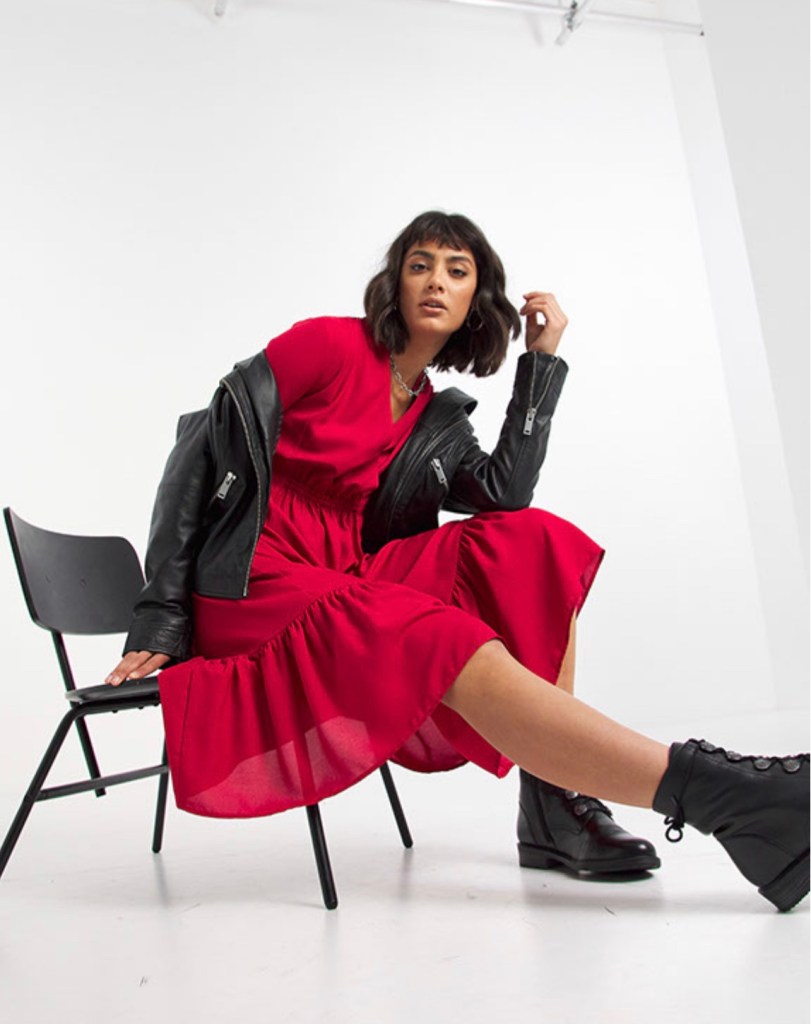
Style it with a fine roll neck and straight jeans, then try it over a fluid midi dress to give softer pieces a little edge.
Shop the ARKET leather jacket — £419
3. The heritage waxed jacket — including Barbour
Cord collars, practical pockets and country-inspired shapes bring a relaxed feel to autumn dressing. Toteme’s zipped country jacket, offers a luxury fashion interpretation of this look.
The heritage-brand choice: Barbour Bower Waxed Jacket — £279.
Barbour is a specialist heritage brand with its own outerwear history. The Bower has a waxed-cotton outer, tartan lining, corduroy collar and detachable hood, making it a practical addition alongside a smarter winter coat.
Wear it with a chunky jumper, dark denim and boots, or contrast its outdoorsy feel with a knitted midi dress.
Shop the Barbour Bower Waxed Jacket — £279
4. The heritage checked coat
For a patterned winter coat, checks are an easy choice to build outfits around. Burberry and Akris provide AW26 runway inspiration, as highlighted by.
The premium high-street interpretation: Whistles Khaki Funnel Neck Check Coat — £399 full price.
Whistles combines a heritage check with an oversized shape and high neckline. Its fabric contains 71% wool, and the long cut makes it a strong option for anyone who wants their coat to be the focal point.
Keep the rest simple: a black jumper, dark trousers and brown boots. A burgundy bag would add a lovely finishing touch.
Shop the Whistles checked coat — £399
5. The cosy shearling-style jacket
Shearling is a strong luxury reference for AW26, appearing at Ralph Lauren and TOTEME. Its appeal is the combination of generous texture and a relaxed winter silhouette.
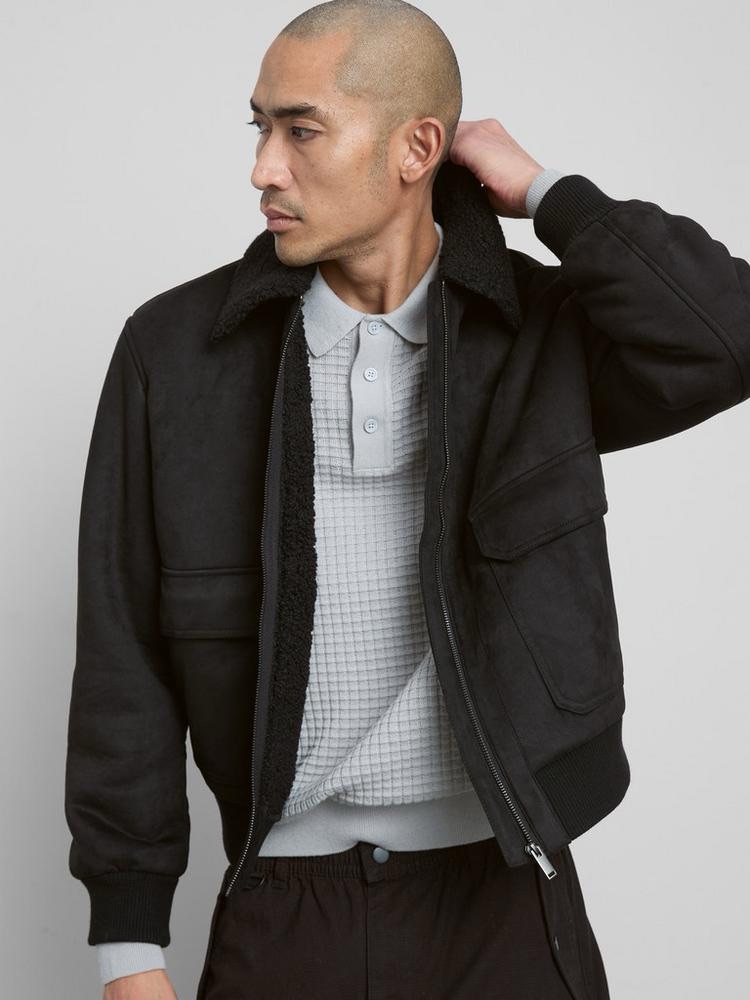
The affordable high-street interpretation: M&S Faux Shearling Aviator Jacket — £60.
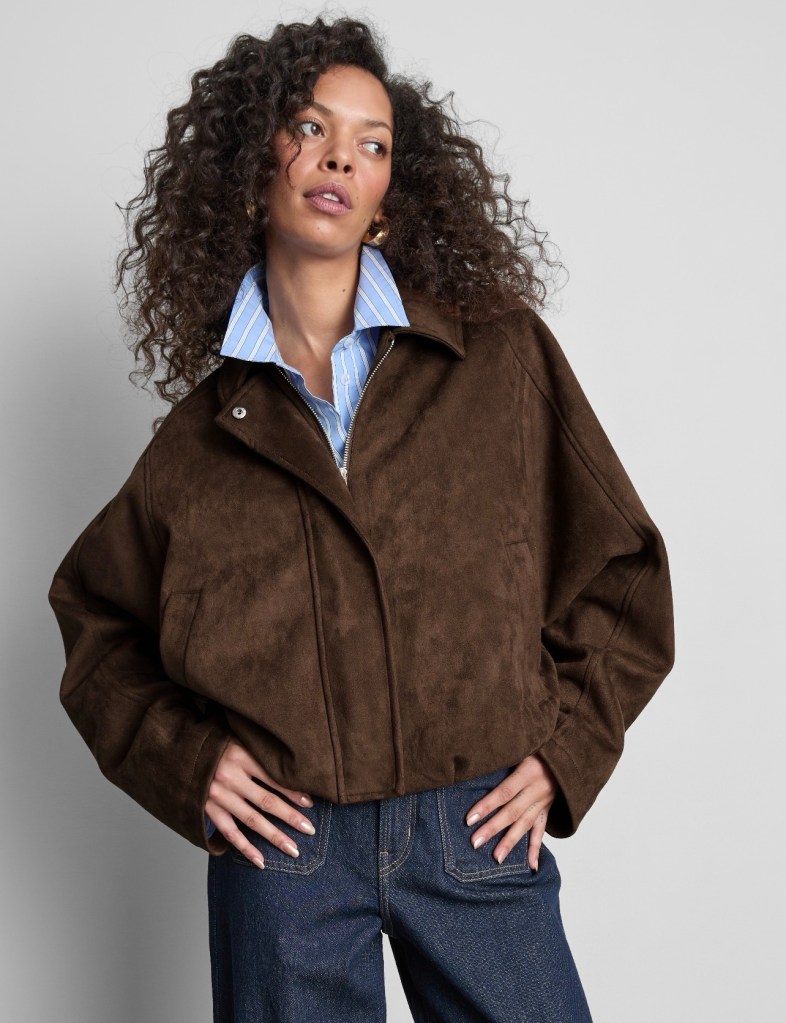
This lined, button-front jacket gives you the textured look in a synthetic fabric. It’s the lowest-priced piece in this edit and an accessible way to introduce the style.
Wear it with a cream knit, blue jeans and chunky boots for weekends, or soften the aviator feel with a knitted skirt.
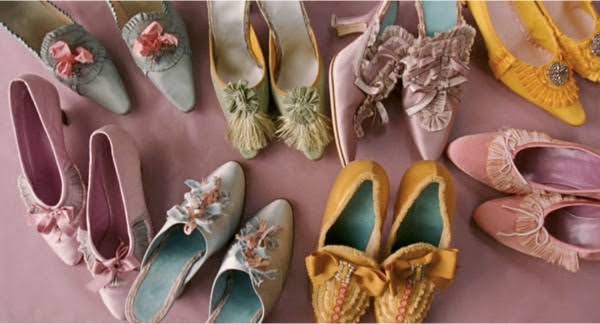
There is a moment, standing in front of the shop mirror, when a new pair of shoes seems to offer more than something to wear. We imagine where we might go in them, how we might look, outfit building in our head.
The boots suggest confidence. The heels promise glamorous evenings. The trainers belong to a version of ourselves who gets up early and enjoys a brisk walk or pairs them with a suit.
Can that feeling count as happiness? Psychology suggests that shopping can lift our mood. We all know the feeling, chasing something desired. To then covet it for weeks before wearing, or is that just me ?
The more revealing question is what, exactly, we are expecting the purchase to change in us.
Why shopping feels good
“Retail therapy” is often dismissed as an excuse for spending, but there is some evidence behind the expression.
In experiments published in the Journal of Consumer Psychology, researchers found that making shopping decisions helped reduce lingering sadness by restoring a sense of personal control. When something has left us feeling powerless, choosing something for ourselves can offer a small, manageable decision. In the words of Jarvis Cocker in the Pulp song ‘A Sunset’……”Unhappy people they spend more”.
That is a finding about an immediate emotional benefit, however—not proof that shopping produces lasting happiness. A purchase can brighten an afternoon without resolving whatever made it difficult.
Still, the pleasure deserves to be taken seriously. Enjoying the colour, shape or comfort of a shoe does not have to be profound to be worthwhile.
Another pair, another possible self
Sometimes the most revealing purchase is almost identical to one we already own.
Another black ankle boot. Another elegant heel. Another trainer chosen with good intentions. The differences may be small, but the hope feels fresh. Perhaps this pair will make us more confident, more adventurous, more put together.
One way to interpret this repetition is that we are shopping for an imagined version of ourselves. The previous pair did not quite close the gap between who we are and who we want to be, but a new purchase lets us picture that transformation again. Choosing and buying can feel like progress before we have done anything differently.
Of course, returning to a familiar style can simply mean knowing what suits us. There is nothing inherently revealing about owning two similar pairs of boots. The interesting question concerns our expectations: are we buying something we will enjoy wearing, or hoping it will change how we feel about ourselves?
A shoe can help us dress for an occasion. Whether we accept the invitation is another matter.
Saving up or splurging?
Does a pair feel more special when we have saved for it, or when we buy it on a glorious impulse?
Saving gives the purchase a period of anticipation. We imagine outfits, picture occasions and look forward to the moment it becomes ours. A review of research on spending and happiness identifies anticipation as one source of pleasure: enjoyment can begin before we receive what we have bought. That does not establish that saving itself always makes a purchase more satisfying.
An impulsive splurge offers a different delight—the spontaneity of deciding, “Yes, I can have these.” Nor must it end in regret. Research on shopping to improve mood found positive emotional effects from purchases made as treats, although it does not demonstrate that impulsive buying is better than planned spending.
There is no simple winner. We might save for months and discover that the imagined life was more exciting than the boots. Or buy them spontaneously and wear them happily for years.
Wanting intensely and enjoying deeply are different things. What happens after the excitement settles may tell us more than the thrill at the till.
The happiness of wearing them
Perhaps the most useful shift is from thinking about owning the shoes to thinking about using them.
Two large studies found that people reported greater momentary happiness while enjoying experiential purchases (travel, dining out)than material ones. These are average findings, rather than a rule that objects cannot bring joy.
Shoes offer an interesting bridge between the two. Walking boots are possessions, but they can accompany days outdoors with friends. Dancing shoes can become part of evenings with friends. A comfortable pair might make an ordinary day more enjoyable.
That is an application of the research, not a finding specifically about footwear. It nevertheless offers a useful question: what will this purchase help me do?
We could also ask whether we would still want the shoes if they changed nothing about us. If the answer is yes—because they fit beautifully, work with our clothes and make us smile—that may be reason enough. Hence why I have just bitten the bullet and bought the Maison Margiela tabi boots hoping that it will bring a much cooler edge to my outfits :).
Five key AW26 footwear trends
If a new pair is on your wish list, autumn/winter 2026 offers plenty of temptation. Think of these as inspiration—and perhaps an invitation to rediscover something already in your wardrobe.
1. Slouchy boots
Soft, gathered shafts bring a relaxed feel, with Chloé and Isabel Marant offering runway examples. Try them with a simple skirt or knitted dress.
2. Close-fitting boots
Supple leather and sock-like shapes hug the leg at Celine and Miu Miu. A roomy coat provides an easy styling balance.
3. Kitten heels
Celine, Prada and Proenza Schouler give small heels playful updates. Pair them with everyday denim.
4. T-strap shoes
Vintage-inspired straps return on heels and flats. Add socks when temperatures fall.
5. Decorative slippers
Pattern and embroidery enliven slip-ons at Ralph Lauren and Conner Ives. Vogue
Perhaps a new pair of shoes can bring happiness and they don’t need to be designer. Both Zara and M&S have their fair share of great dupes. They needn’t deliver a whole new you to earn their place in your wardrobe. Sometimes, loving how they look—and enjoying where you go in them—is enough.
Why Fashion Is Falling in Love With Getting Dressed Again
For a while, fashion seemed to become very quiet.
Minimalism, neutral palettes and understated dressing dominated. Everything was beautifully considered, of course, but somewhere along the way I think we lost a little of the joy of actually getting dressed.
And now, thankfully, that joy is coming back.
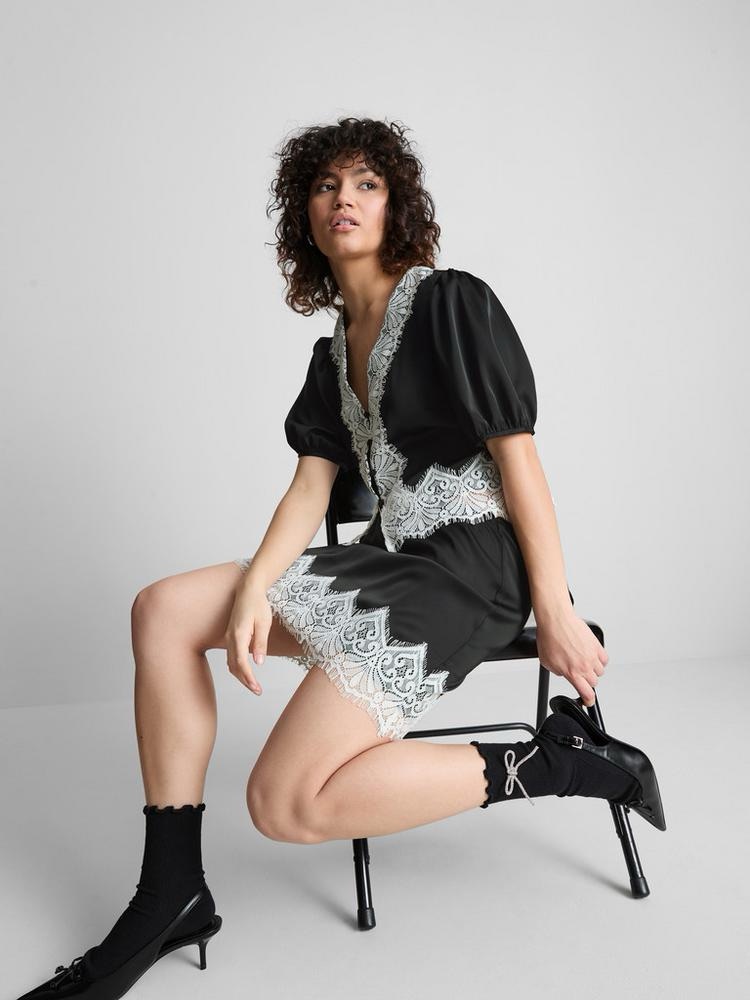
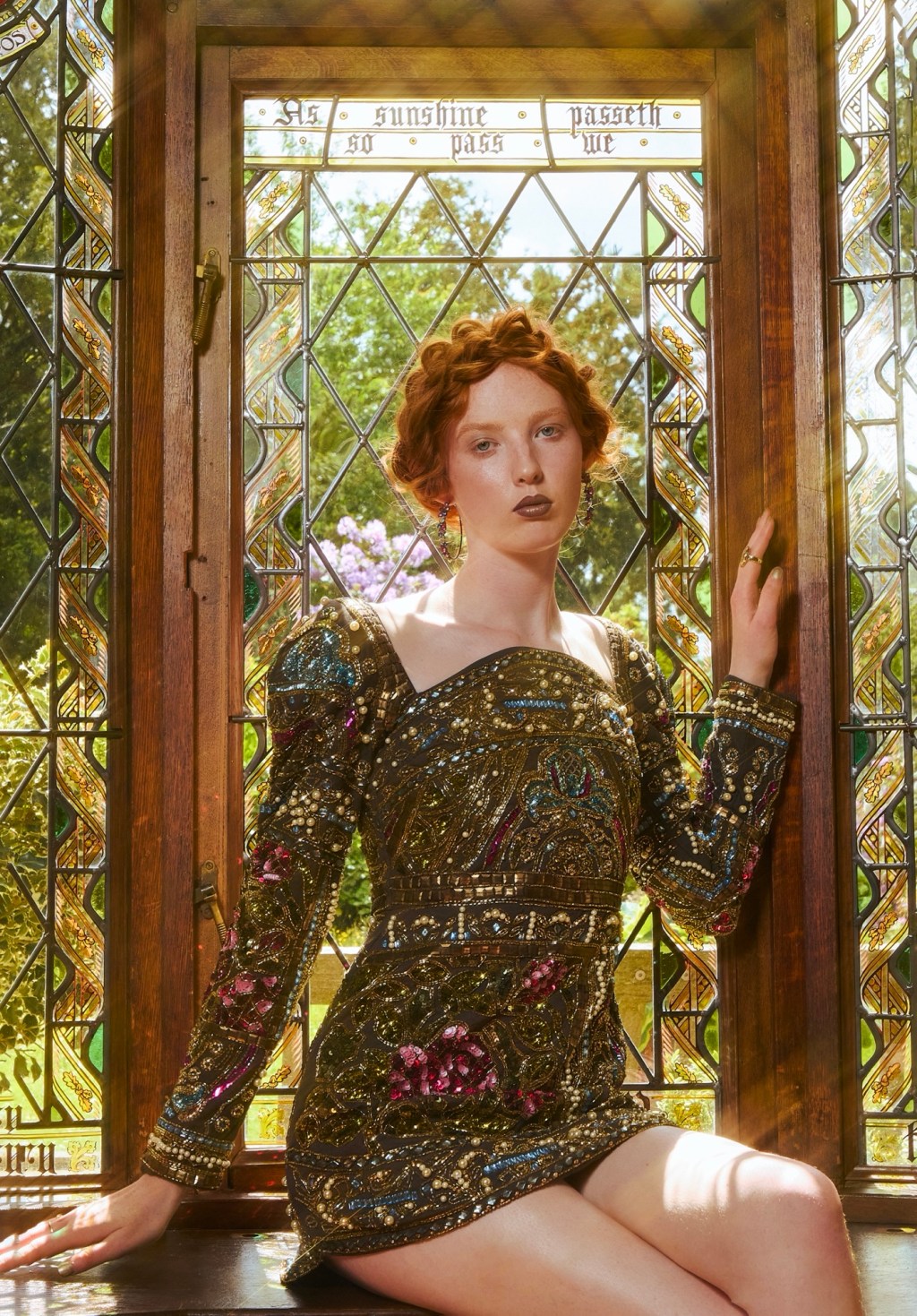
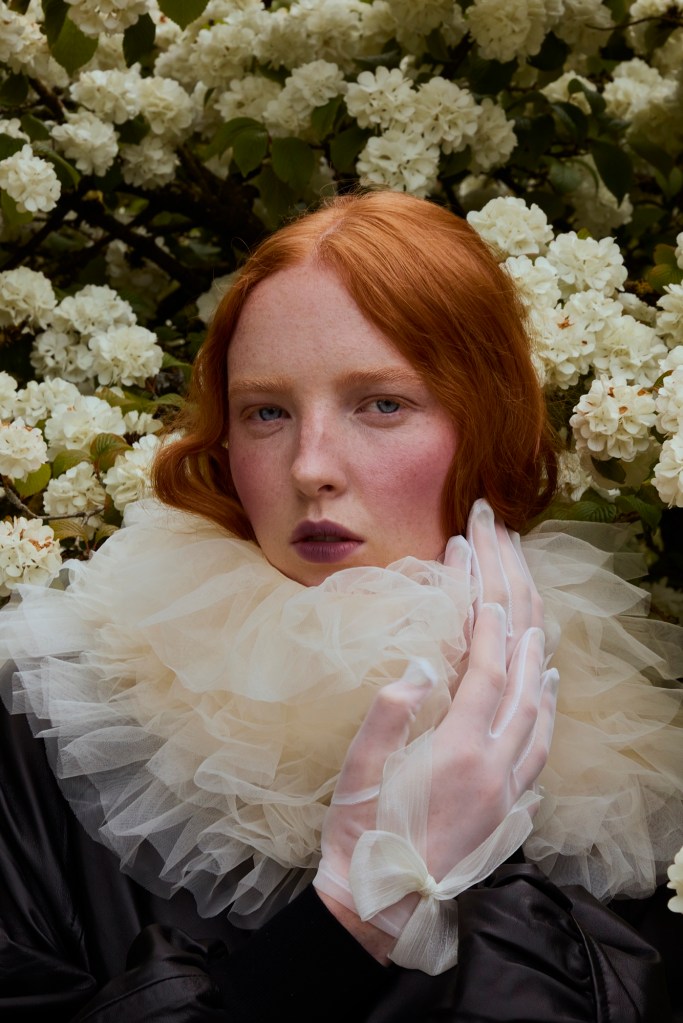
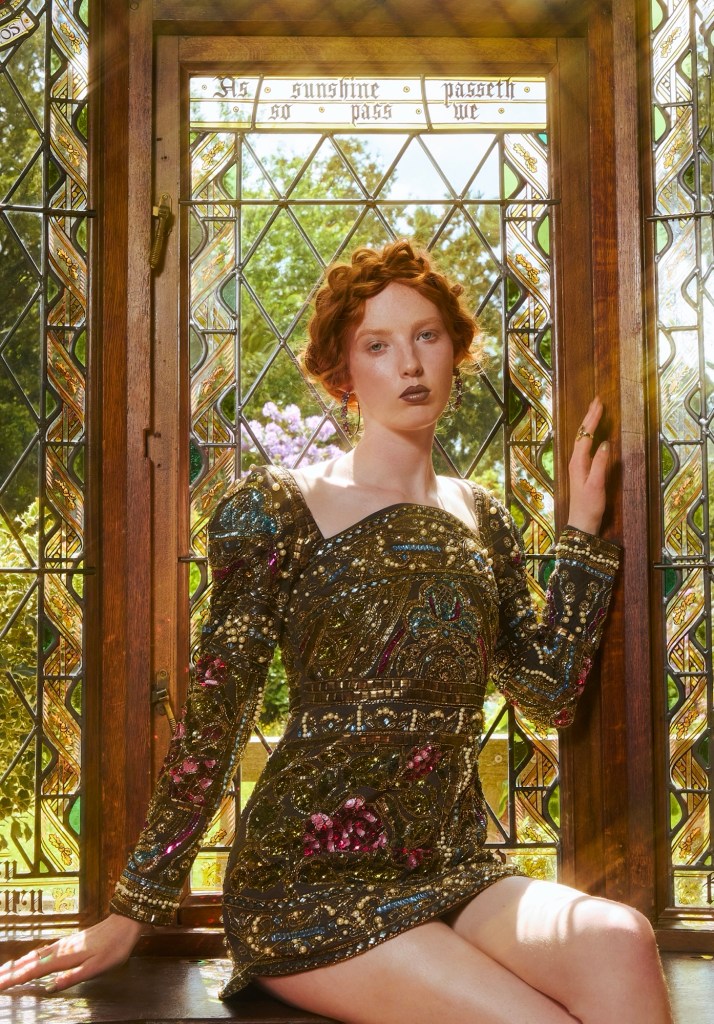
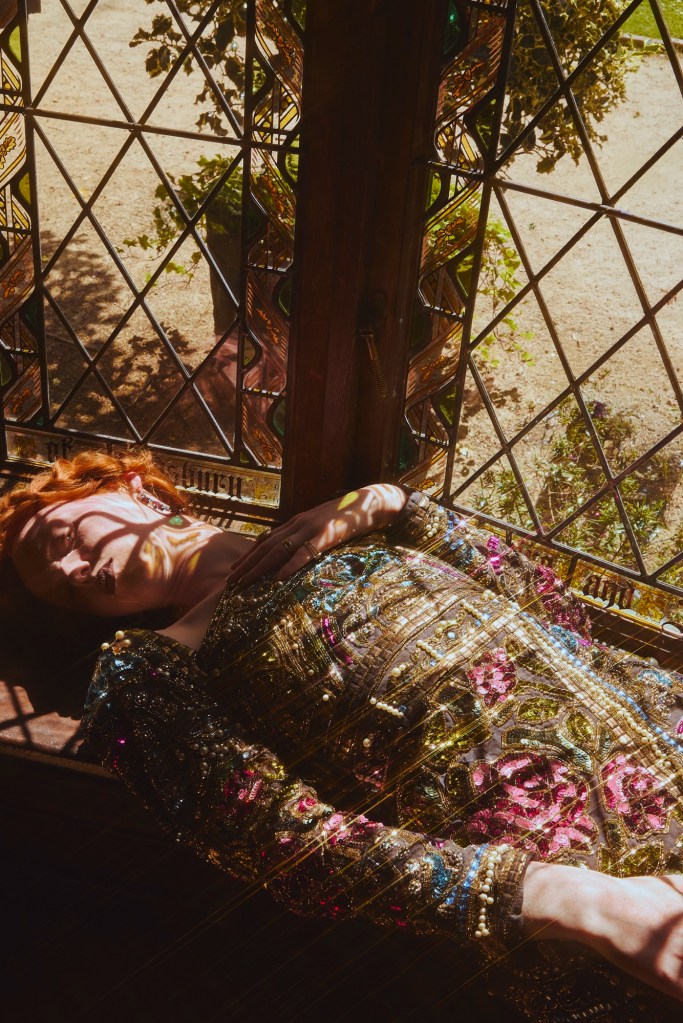
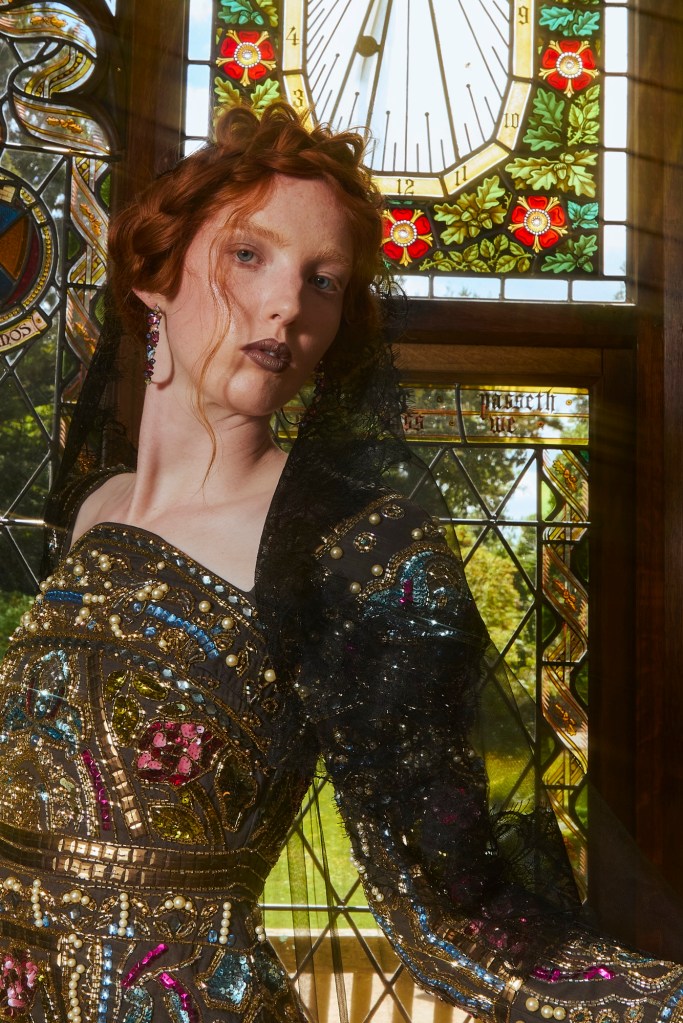
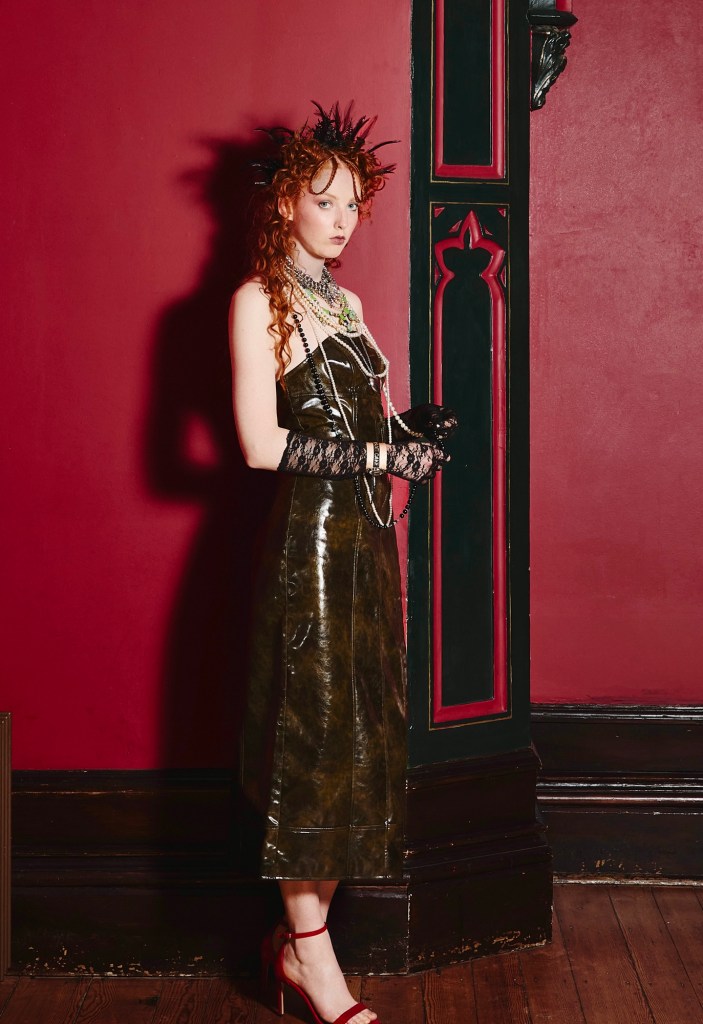
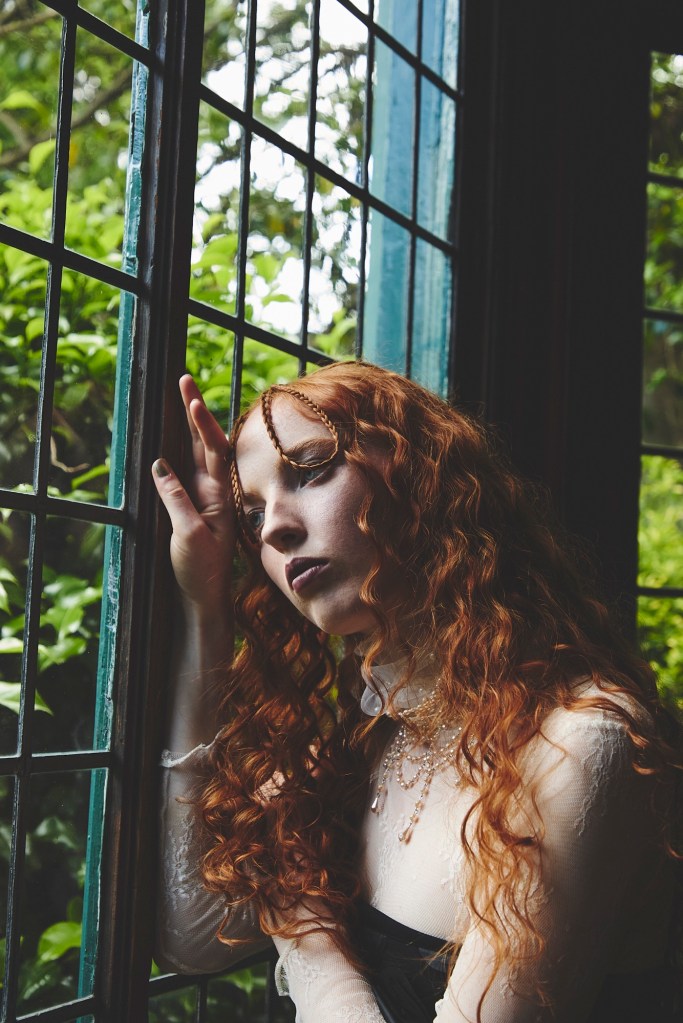
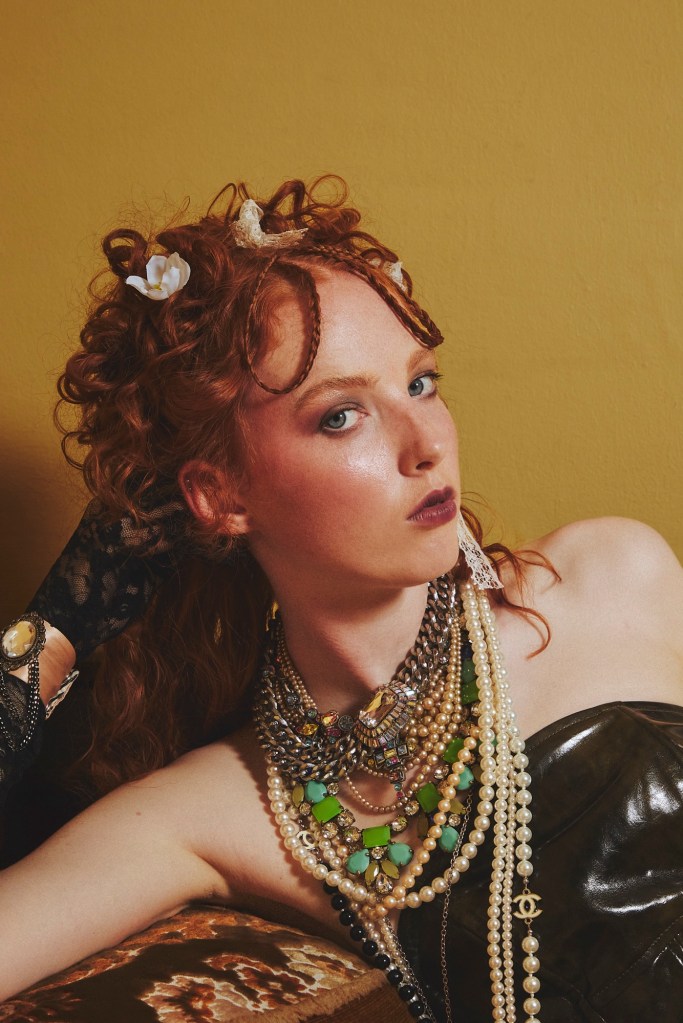
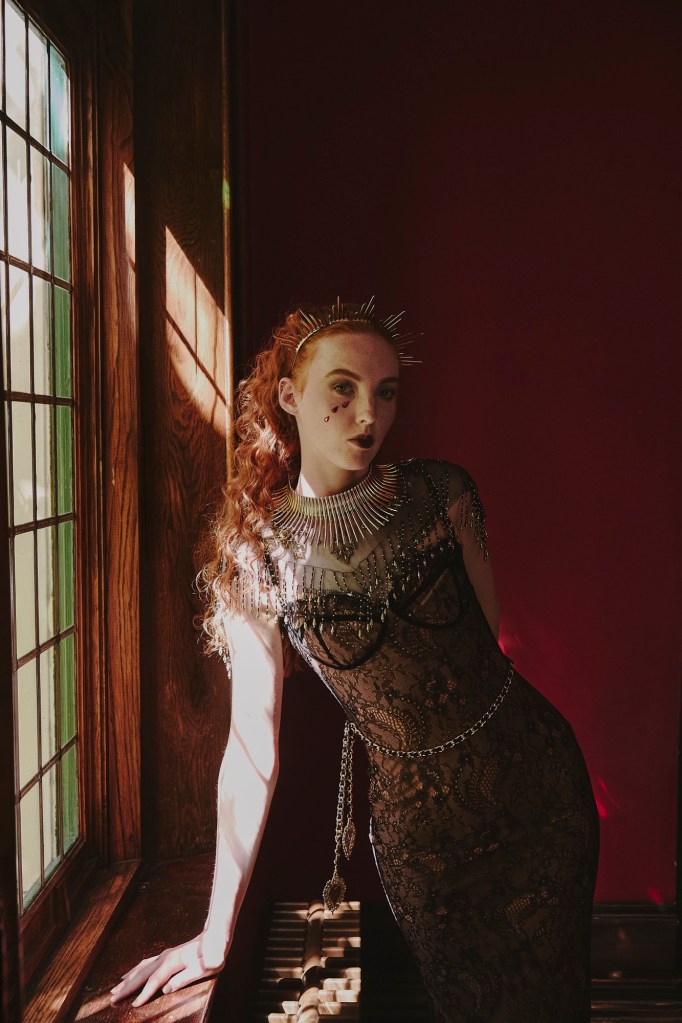
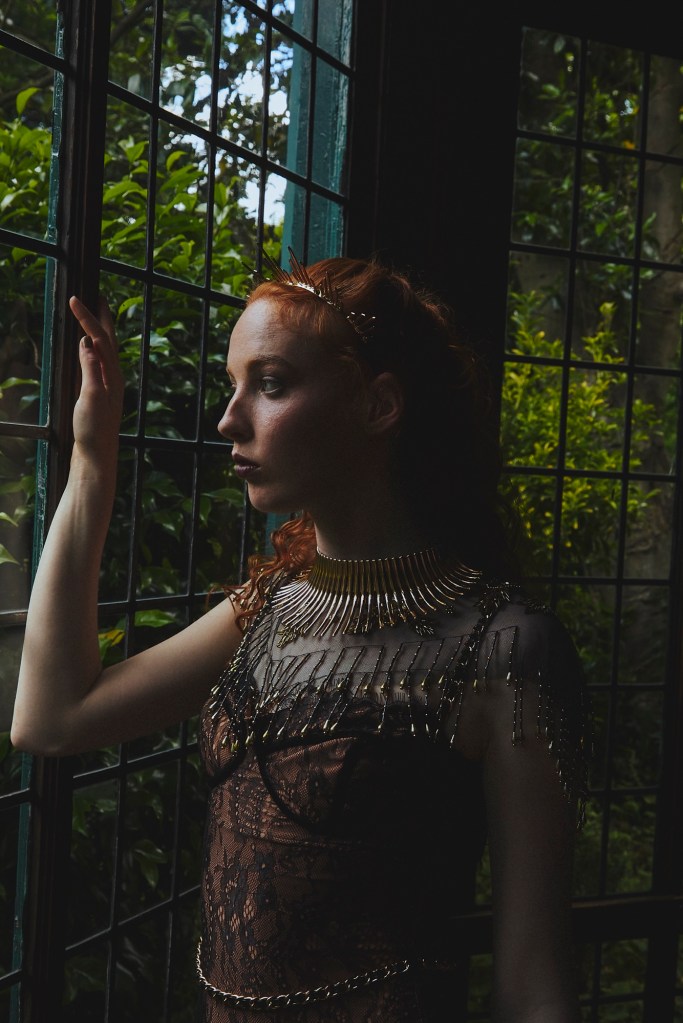
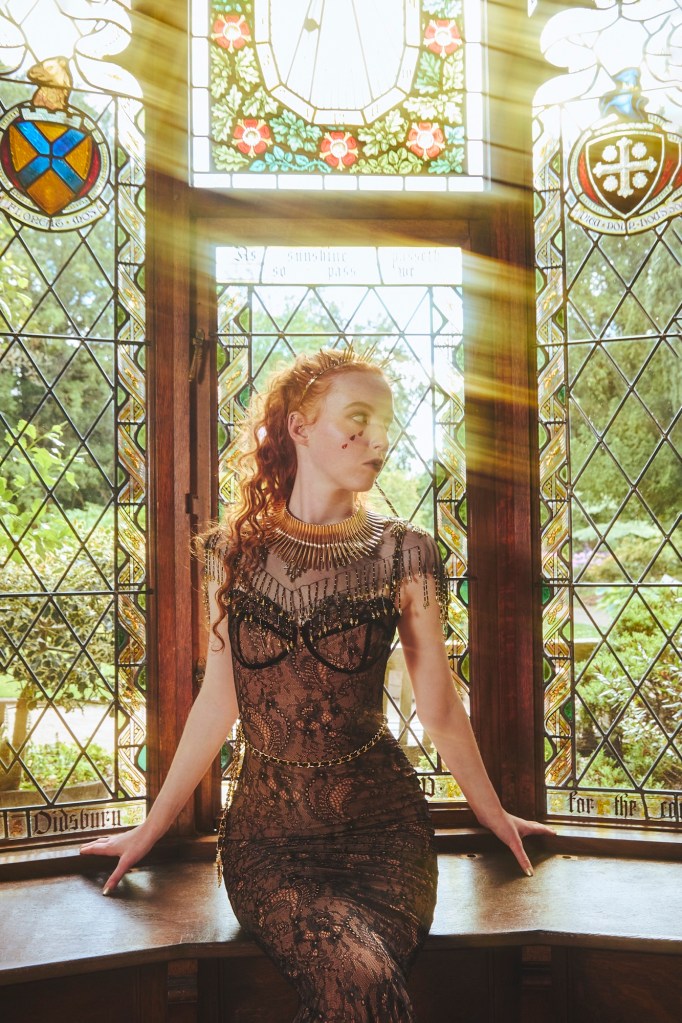
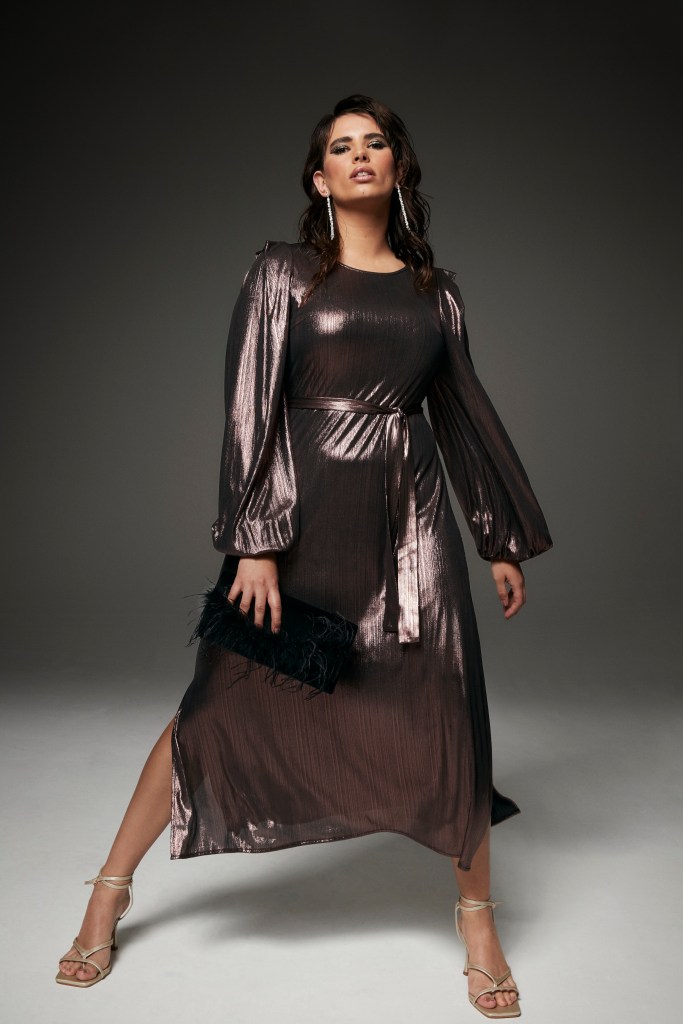
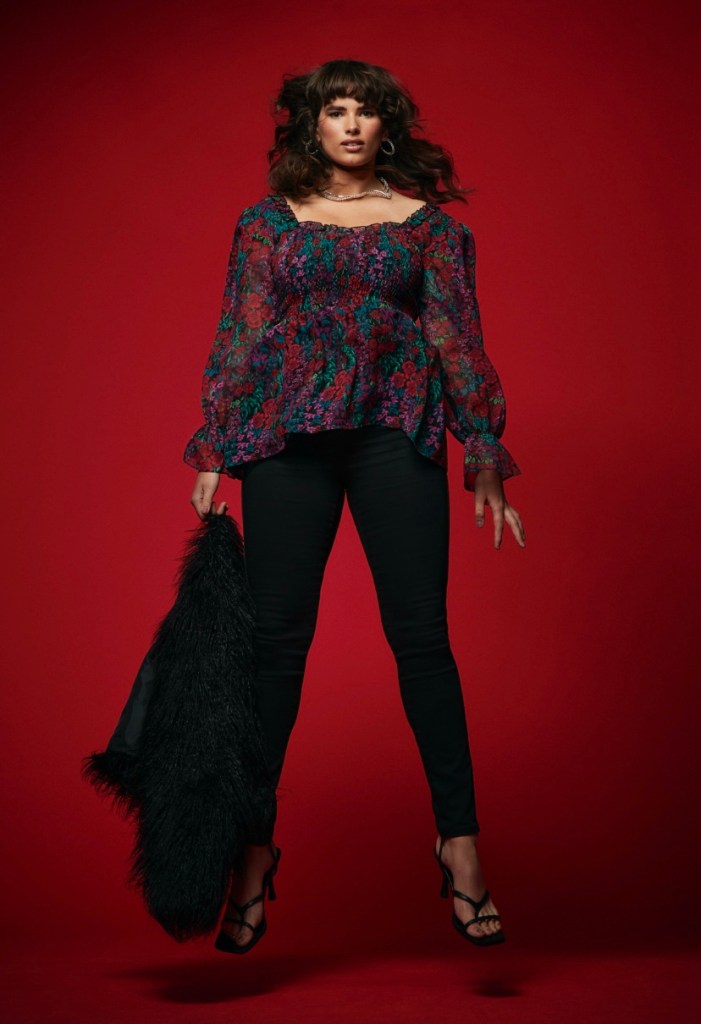
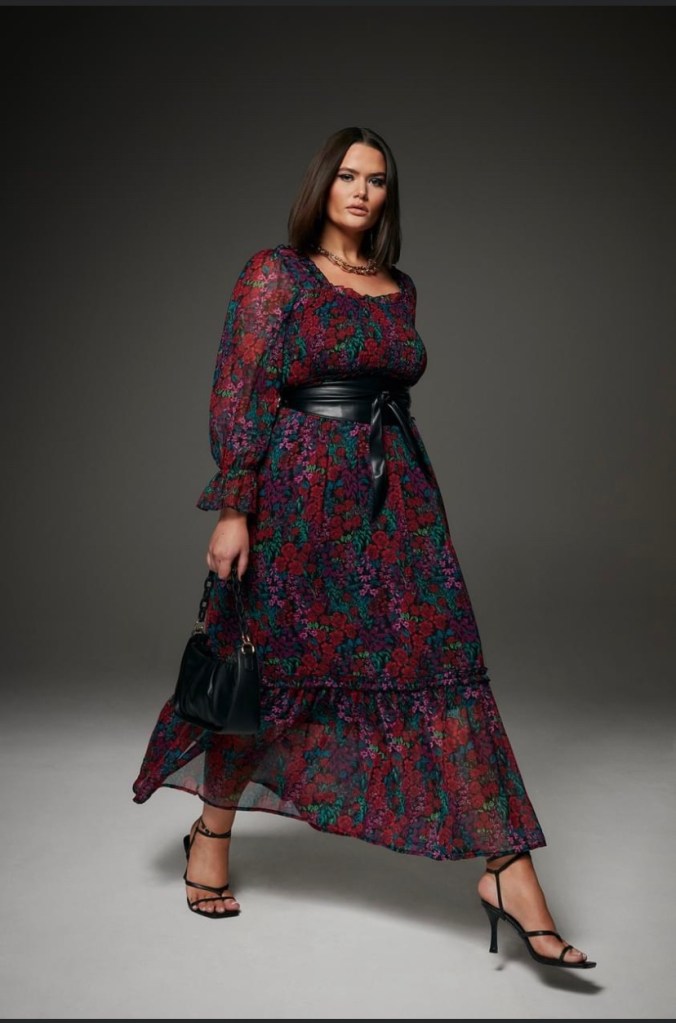
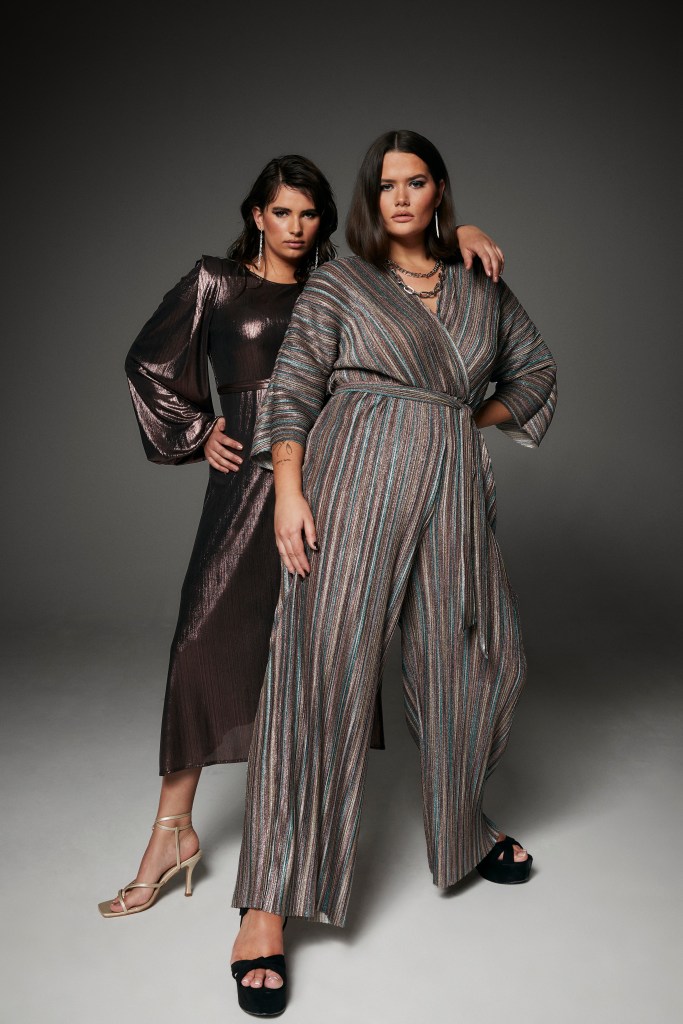
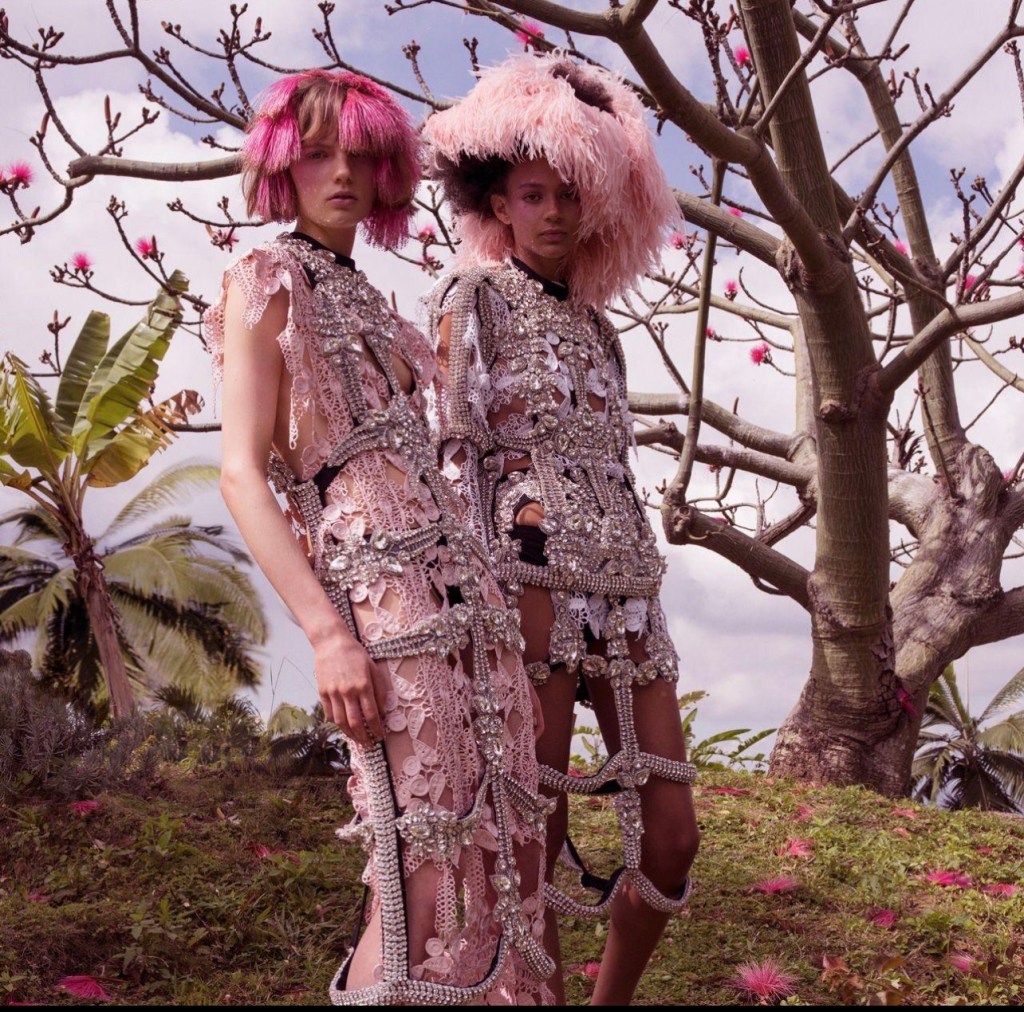
We are seeing embellishment, lace, brocade, bows, dramatic silhouettes, beautiful colour and fabulous accessories creeping back into our wardrobes. Clothes are becoming interesting again. There is a sense that we don’t simply want to look well dressed — we want to express something about ourselves.
Having spent more than 30 years in fashion buying and merchandising, I’ve watched trends come, go and inevitably return in a slightly different guise. One thing I’ve learned is that fashion is rarely just about clothes. It reflects how we’re feeling.
After years of practicality and pared-back dressing, perhaps we’re simply ready for a little fantasy.
The return of personality
What I particularly love about this shift is that it doesn’t mean dressing head-to-toe in one particular trend.
In fact, quite the opposite.
It’s about individuality.
A beautifully embellished jacket worn with jeans. A romantic blouse with something masculine. Vintage jewellery mixed with contemporary fashion. A dramatic dress worn because you love it rather than because you have somewhere suitably dramatic to go.
As a stylist, those contrasts are often what make an outfit interesting.
The best looks aren’t necessarily the ones where everything matches perfectly. They’re the ones that make you want to look twice.
We’ve seen this before
One of the privileges of having worked in fashion for as long as I have is being able to recognise when an idea is returning.
Designers constantly revisit the past, but each generation interprets it differently. What once felt old-fashioned suddenly feels exciting again.
Romantic dressing, heritage fabrics, feminine details and decorative accessories are all being rediscovered — but they’re being worn with a completely different attitude.
And that’s the important part.
Fashion may repeat itself. Style doesn’t have to.
Buying clothes emotionally
During my years as a buyer, there was always an element of instinct involved.
You can analyse sales figures, margins and previous seasons — and believe me, we did — but occasionally you see something and simply know that customers are going to want it.
Why?
Because fashion is emotional.
We don’t always buy the sensible black dress. Sometimes we buy the extraordinary jacket, the ridiculous shoes or the beautiful bag that makes absolutely no practical sense whatsoever.
Those are often the pieces we remember.
So perhaps it’s time to dress up again
I’m delighted to see fashion becoming playful.
Wear the fabulous dress for lunch.
Put the brooch on the jacket.
Mix vintage with new.
Wear sequins before six o’clock.
And if something makes you feel wonderful when you put it on, don’t save it for best.
Because after all these years working with clothes, I still believe one very simple thing:
Fashion should be fun.